

Took nuclear fleet management from concept to working MVP — an AI-orchestrated toolkit (NucleusForge) that replaced manual, fragmented screening workflows — using generative prototyping to cut iteration time from weeks to hours in one of the most regulated environments there is.
The problem
Nuclear IT ran on fragmented, manual processes — ticket screening, compliance checks, data integration — built up under decades of NRC and IAEA regulatory frameworks. Every workflow carried real operational overhead, and any innovation had to clear regulatory scrutiny before it touched production. Meanwhile, 2025’s AI-driven demand on the grid was pushing operators to modernize faster than that process normally allows.
The process
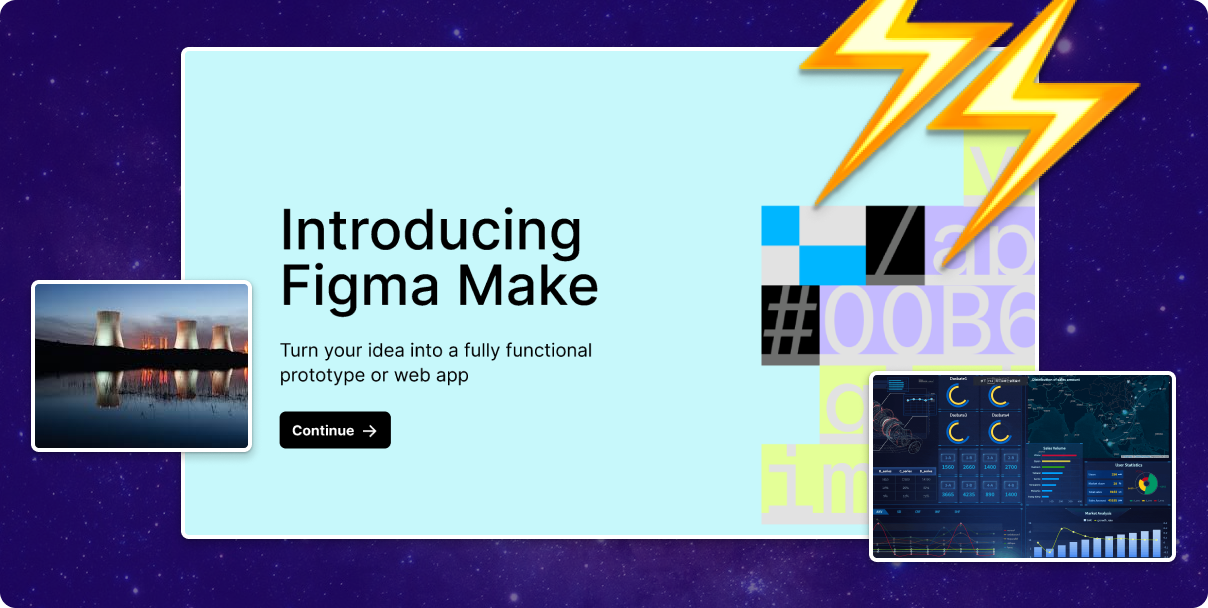
Started with a regulatory gap analysis against NRC’s AI framework and IAEA guidelines, plus a competitive scan of AI tooling at other national labs — establishing what was actually possible without compromising compliance. From there, low-fidelity wireframes mapped the core workflow (chat-based prompts through CRUD stages), then moved into high-fidelity, Figma Make-driven prototyping to simulate the AI interactions directly — a shift that cut iteration time from weeks to hours compared to traditional prototyping.
Built the rollout as a phased plan — regulatory alignment, design, development, certification — so nothing outpaced compliance review. The interactive prototype itself was built AA-compliant from the start, not retrofitted later.
My role
Lead Product Designer, working directly with regulatory compliance specialists and nuclear screening SMEs rather than a design team — meaning most of the domain-knowledge transfer (regulatory constraints, real screener workflows) happened through direct collaboration with the people doing the job today.
The result
Delivered a working MVP that shows how AI can absorb compliance-check and workflow overhead currently done manually — with faster iteration already proven in the prototyping process itself. Operational impact (downtime reduction, error rates) is projected against industry benchmarks, not yet measured in production.
What I’d do differently
Competitive analysis should have gone deeper on emerging use cases like AI-driven threat detection, earlier. Structured testing with actual nuclear operators — not just internal review — would have validated the core AI-assist concept sooner. And analytics should have been built in from day one, so impact could be measured empirically instead of estimated.